Jun 03, 2026
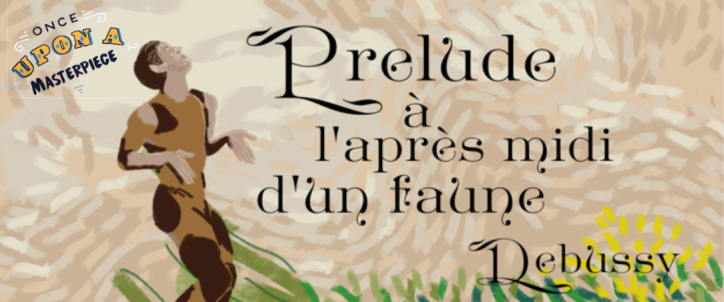
Claude Debussy – Prélude à l’après-midi d’un faune | Once upon a masterpiece
See also
Video
![Articles – Thumbnail]() Diaspora Lyannaj : an exchange between French and Brazilian Jazz artists
Diaspora Lyannaj: When France and Brazil Compose a Common Language Born from an artistic residency between France and Brazil, the group Diaspora Lyann...
Video
Diaspora Lyannaj : an exchange between French and Brazilian Jazz artists
Diaspora Lyannaj: When France and Brazil Compose a Common Language Born from an artistic residency between France and Brazil, the group Diaspora Lyann...
Video
![Articles – Thumbnail (3)]() White Corbeau I LIVE SHOT
In this new episode of our Live Shot series, meet White Corbeau. What the France caught up with him during his performance at the BISE Festival. A Bel...
White Corbeau I LIVE SHOT
In this new episode of our Live Shot series, meet White Corbeau. What the France caught up with him during his performance at the BISE Festival. A Bel...
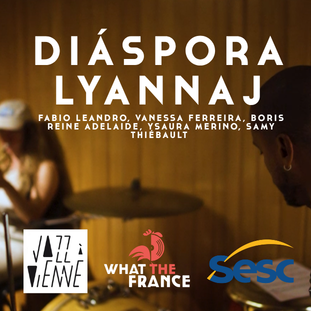 Diaspora Lyannaj : an exchange between French and Brazilian Jazz artists
Diaspora Lyannaj: When France and Brazil Compose a Common Language Born from an artistic residency between France and Brazil, the group Diaspora Lyann...
Video
Diaspora Lyannaj : an exchange between French and Brazilian Jazz artists
Diaspora Lyannaj: When France and Brazil Compose a Common Language Born from an artistic residency between France and Brazil, the group Diaspora Lyann...
Video
 White Corbeau I LIVE SHOT
In this new episode of our Live Shot series, meet White Corbeau. What the France caught up with him during his performance at the BISE Festival. A Bel...
White Corbeau I LIVE SHOT
In this new episode of our Live Shot series, meet White Corbeau. What the France caught up with him during his performance at the BISE Festival. A Bel...